

Revisit Good Living's most-read blogs of 2025
Thanks for the memories, 2025! As we get ready to bid farewell to another big, beautiful year, we're taking a moment to look back at Good Living's 10 most-read blogs this year.
Here's the list.
Your guide to identifying animal poo

If you’re not too squeamish, you can learn a lot from animal poo.
Wild animal poo is known as scat, and it can be very useful in working out what species are nearby because each type of scat is different.
Of course, some scat will begin to dry out and look different with age, so if you really know your business, you’ll be able to tell how long ago the animal was there. Koala poo, for example, goes from a moist green to something that looks more like dried out grass pellets.
However, poo is poo and no-one likes to have it tracked back into the car or tent when you’re visiting a national park, so it’s always a good idea to watch where you step.
Once you’ve dodged that bullet, take a closer look and see if you can pick which of these animals it belongs to.
SA algal bloom - all your questions answered

Since March 2025, an algal bloom has been persisting in our waters.
The State and Federal Governments recently released the $102.5 million Algal Bloom Summer Plan (the Plan), a comprehensive suite of measures to protect South Australia’s coast, back coastal communities and support our summer lifestyle.
Should you visit the beach this summer, and what safeguards are in place? How will coastal businesses and communities impacted be supported? And what is being done to monitor and protect our marine environment?
Follow the link for answers to some commonly-asked questions, plus links to the latest news, health advice and helpful resources.
A beginner's guide to composting

Want to turn your kitchen and garden waste into ‘black gold’? Composting is an easy, practical and hands-on way to help the environment and benefit your own back yard, too.
Put simply, composting breaks down organic matter, which is anything that was once living. The nutrients are recycled to help grow healthy new plants.
Apart from being a wasted resource, when organic waste is sent to landfill it rots and releases methane, a greenhouse gas with 21 times the global warming potential of carbon. Currently in SA, around 40% of waste placed in landfill bins is food and other compostable items. It’s a problem that every household can help tackle. It's easy to start composting at home. Let us break it down for you!
What to do if there's a blue-tongue in your backyard

Spotting a bluey in your backyard during spring is more common than you think.
Spring is when you might spot one of Australia’s most iconic reptiles – the blue-tongue lizard.
This is when they start to come out of brumation – the lizard equivalent of hibernation – to warm up their cold-blooded bodies, so it’s not uncommon to spot one sunning itself on your pavers.
You might be tempted to remove these scaly reptiles from your backyard, but that should be your last resort.
They really are neat little critters that add colour to our lives. Blue-tongue lizards are one of Australia’s most familiar reptiles and provide a valuable pest control service to your home, snacking on snails, caterpillars, insects and other garden pests.
To help you live in harmony with these lizards, here’s everything you need to know.
Stay in the know: Sign up to get updates from DEW, straight to your inbox!
Understanding the natural wonder of bioluminescence

Think you’ve seen it all? The beauty of sea sparkle, or bioluminescence, has to be seen to be believed.
What is bioluminescence? It's when the sea sparkles neon blue, green or even red. It's a beautiful sight and definitely one for the bucket list.
The ocean glows and glitters like stars in the sky, due to a natural chemical process, bioluminescence, which allows living things to produce light in their bodies.
Marine creatures - like some fish, squid, tiny crustaceans and algae - produce bioluminescence to either confuse predators, attract prey or even lure potential mates.
Learn more about the wonders of bioluminescence.
10 tips to keep you and your house cool this summer

For many people, summer means BBQs, beach cricket and dips in the pool.
But there are days when that harsh summer sun isn’t quite so fun and cranking up the air-con at home seems like your only option.
We’ve all been there – those times when you just want to turn your house into a freezer and forget about the energy bill next quarter.
But it’s important to remember that high energy use associated with cooling houses in summer contributes to greenhouse gas emissions and global warming.
Check out these 10 tips that will keep you and your house cool, save you money, and help you be kind to the earth.
Your guide to visiting Kati Thanda-Lake Eyre

When South Australia's Kati Thanda-Lake Eyre started filling up earlier this year, for the first time in 160 years, it naturally made national headlines.
Water from southwest Queensland and South Australia’s northeast flooding events made its way to the lake, transforming what is often a dry salt bed into an oasis.
When the waters rise, a huge variety of species, many of them rare, spring into life or are attracted to the lake.
Brine shrimp hatch from eggs in the dry soil, millions of waterbirds and breeding birds from as far as China and Japan migrate to the lake, and fish that are in the floodwaters will spawn and eat the shrimp.
A major fill event is a rare spectacle, making 2025 a great time to visit Kati Thanda-Lake Eyre National Park.
Learn more about Australia's largest salt lake, and everything you need to know about visiting this incredible nature wonder in the heart of the Outback.
Everything you need to know about echidnas

They’re spiky, slow-moving and native to Australia but there is much more to short-beaked echidnas – also known as spiny anteaters – than meets the eye.
South Australia is home to lots of amazing native species, and these guys are no exception. They can be found in many of South Australia’s national parks and aren’t as rare as you might think.
Make sure you’re on point with your echidna knowledge when you next spot one in the wild. Follow the link to find out seven fun facts!
How to tell if you've got a native antechinus at home

The depths of winter can often be a time when unwelcome house guests arrive in the form of mice and rats. They often move into houses or sheds in an attempt to seek out warmer digs and a source of food.
But it’s also a time when a threatened native Australian animal – the yellow-footed antechinus – can move in, for much the same reason.
This species is classified as vulnerable in South Australia.
Also known as a marsupial mouse, this small carnivorous marsupial snacks on insects, reptiles, and sometimes even mice.
The trouble is, antechinus look similar to a normal house mouse. But being a native and vulnerable species, they can’t be subjected to pest control.
Here’s everything you need to know about native antechinuses, how to tell them apart from common rodents and how to protect them!
How butterflies benefit the environment
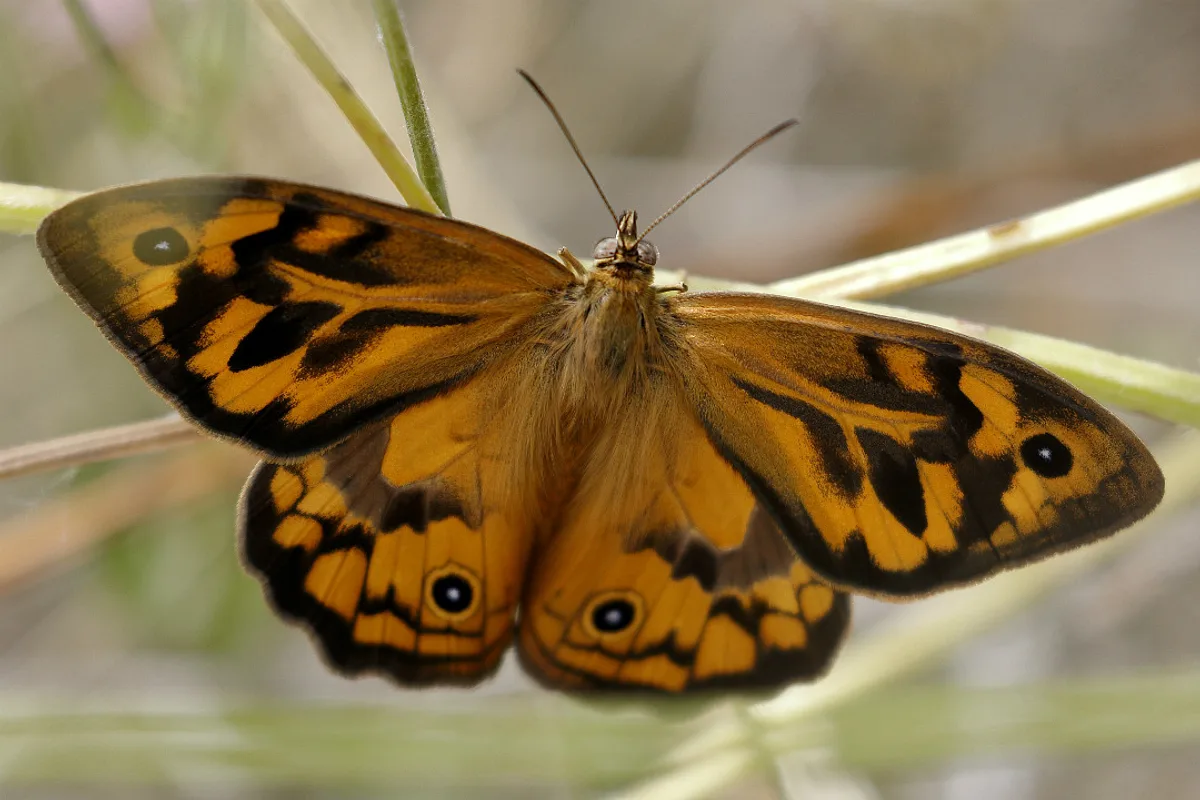
You might not like caterpillars eating plants in your garden, but without them we wouldn’t have butterflies.
‘So what?’ you ask.
Well, butterflies do more for us than just adding colour and beauty to our gardens.
There’s more to butterflies than meets the eye.
Follow the link to find out how they can help the environment – and how you can attract them to your garden.